01
Design moved upstream
From being handed a competitor's solution to defining the problem. Design entered at the point where direction was set, not after.
40% of design teams moved upstream


Careem · Head of Product Design · 40+ designers
-24/+78
102 point40%
Of design teams2x
Designers promotedThe problem
Careem operated as a set of independent verticals inside a single app. Each team shipped fast, with its own targets and pressure to deliver.
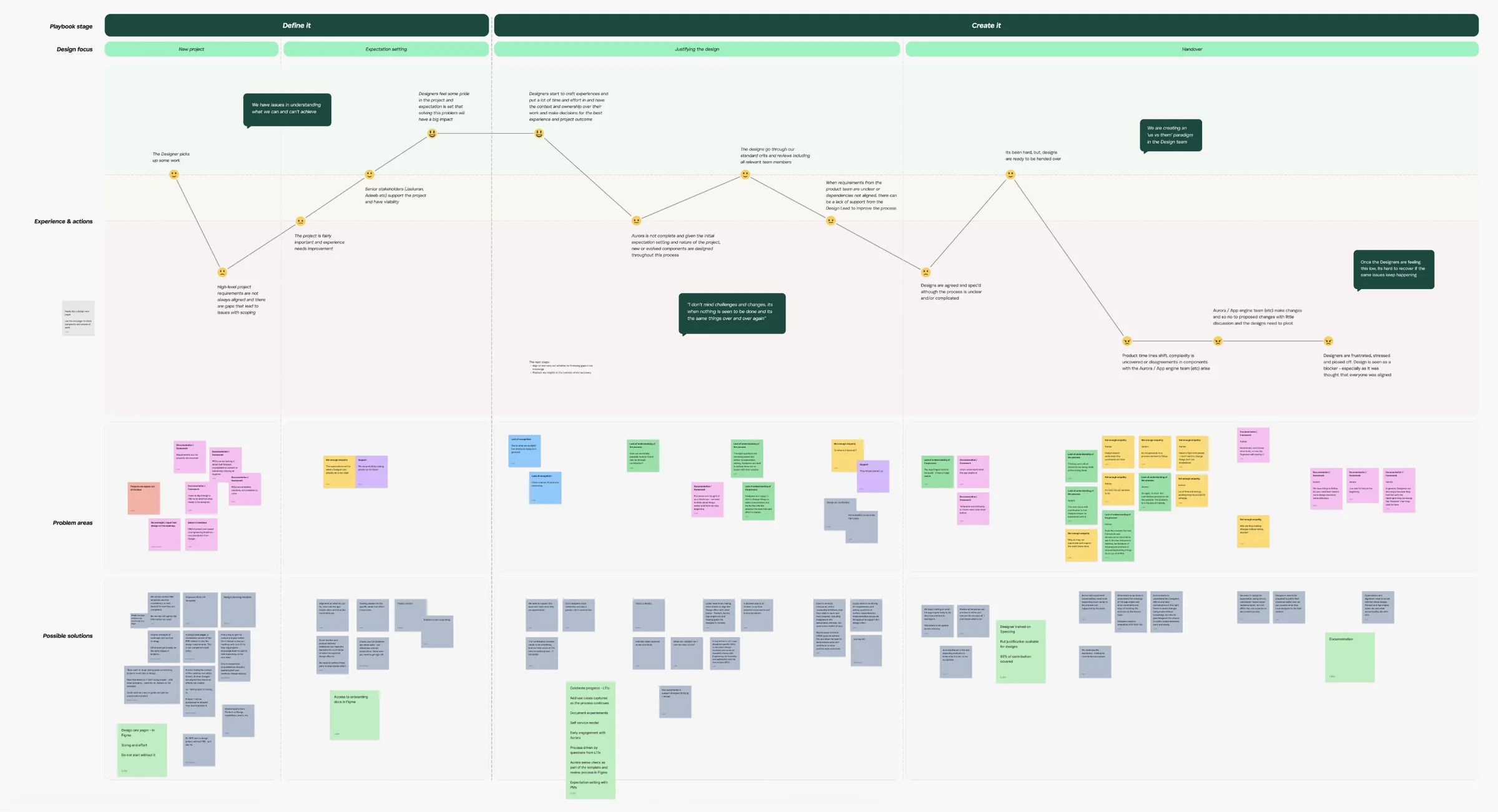
Design came in after direction was set - shaping output, never influencing it. A number would drop, a PM would chase the what but never the why, copy a competitor, then hand it to design to make it look right.
No problem solving. Just moving pixels. If it worked the PM got the credit. If it failed, design was blamed for not creating a better experience. Downstream involvement, upstream accountability.
The leadership challenge
Shipping quickly mattered more than questioning direction. Each team was optimised to deliver locally. That worked in isolation, but it broke at scale.
Design was expected to fix outcomes without being part of the decisions that created them. When things broke, the symptom was design, but the cause was upstream.
Every quarter it was more features, more output and more activity. Without alignment, teams were scaling the wrong things.
This required working with leadership, not just teams. Resetting expectations, clarifying ownership and moving design into the room where decisions were made.
The strategic shift
I made the cost visible. Rework, wasted sprints, effort spent building the wrong thing. And I let some teams fail, because a gap was the only way design was getting invited in.
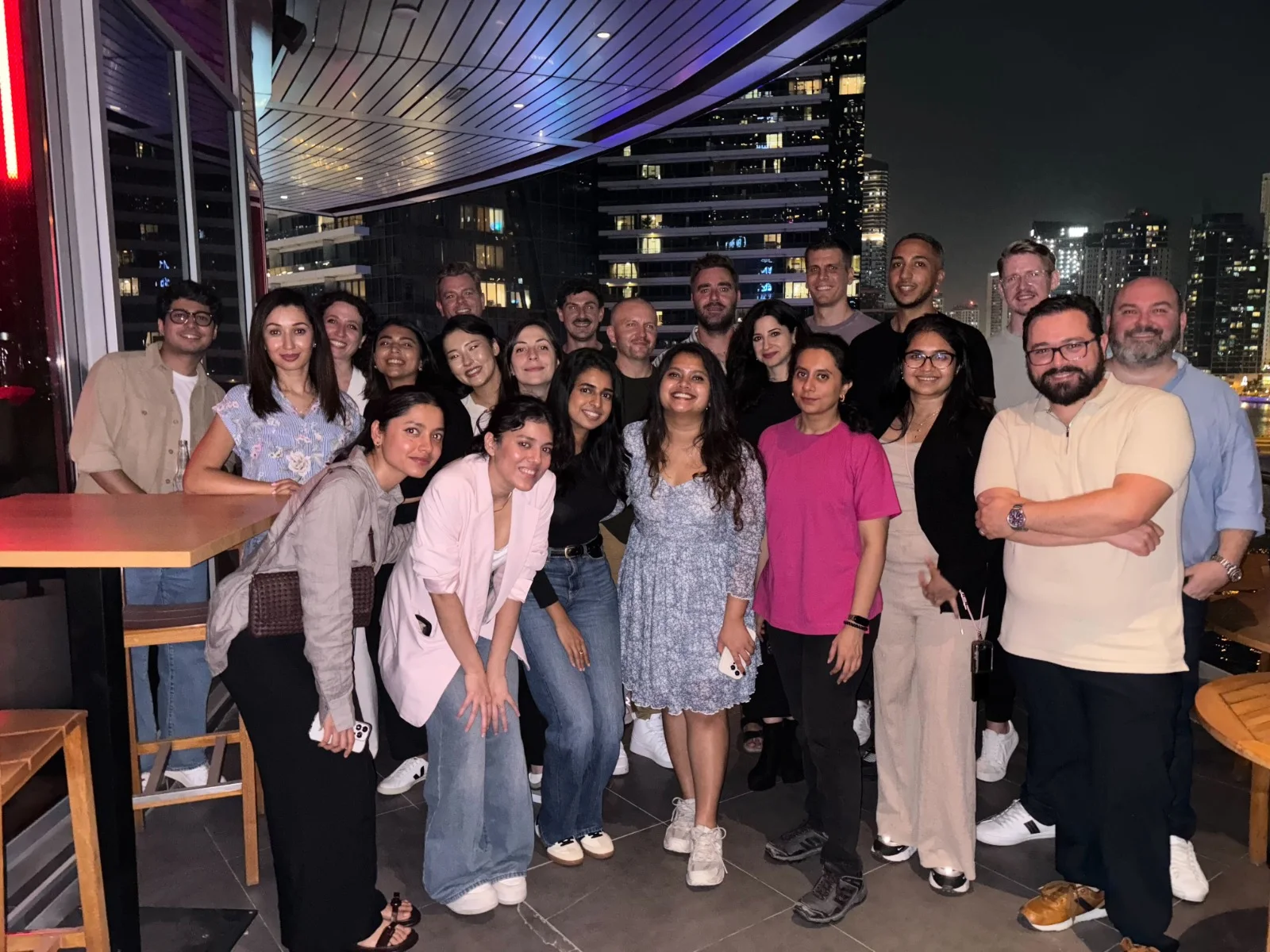
Some of that meant rebuilding the team itself, not just the process: ten exits and twelve rehires within design, plus input into more than 20 hires across the wider organisation over the following two years.
The shift was going from being in the room because I was senior, to being asked in early. Once that happened, I built leadership beneath me so leads could run their own teams and represent me in rooms they'd never been invited to.
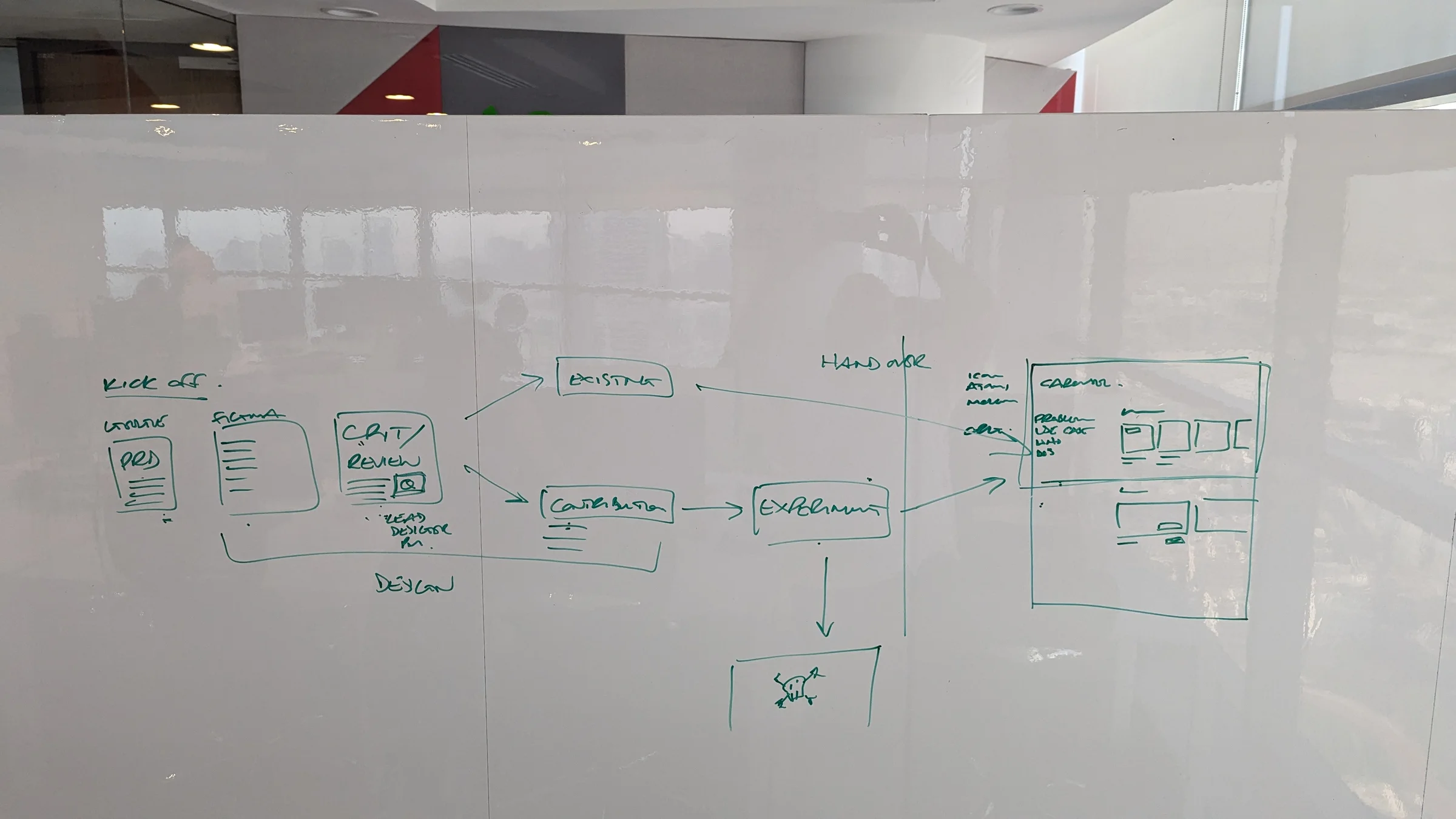
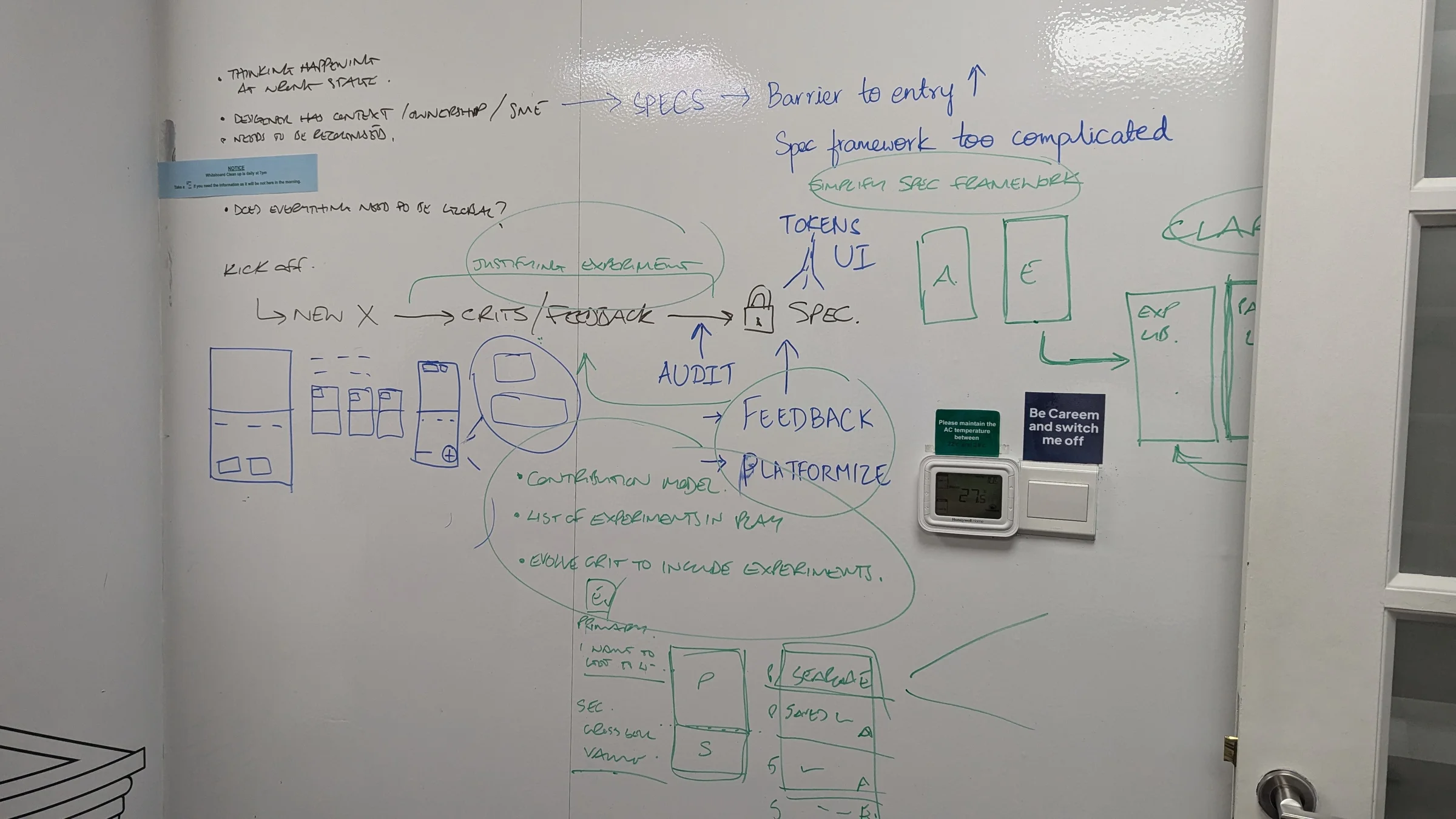
Then I handed the process back to the team. They reviewed how we worked and proposed changes. We experimented, kept what worked and killed what didn't. I held the direction, but they owned the practice.
"What sets Luke apart as a leader is his ability to combine vision with collaboration. He communicates ideas with clarity and passion, bringing others on the journey and motivating them to raise their own standards."
Jay Tulloch - Head of Platform Design, Careem
What changed for the org
01
From being handed a competitor's solution to defining the problem. Design entered at the point where direction was set, not after.
40% of design teams moved upstream
02
I promoted two into leadership and gave leads the authority to run their teams their own way. Agency over the work, not just responsibility for it.
eNPS moved from -24 to +78
03
Ten verticals were maintaining their own components. We consolidated into one system with shared governance, so a pattern built once worked everywhere - and started closing the handoff gap with engineering, not just managing it.
22+ services on one system
04
Internal tools and automation first, then conversational onboarding, AI-powered search and predictive recommendations across the app - built on how AI could leverage super-app data to drive impact competitors couldn't match.
Adopted across 10 verticals
What this taught me
At scale, the problem is rarely talent. It's structure that keeps teams downstream, culture that removes ownership and leadership that optimises for output instead of direction.
My philosophy is to manage the task, not the person: not what are you doing and why, but what do you need - then air cover so they can get on with it.
Fix the structure, build the culture, put design where decisions are made and everything else follows.