01
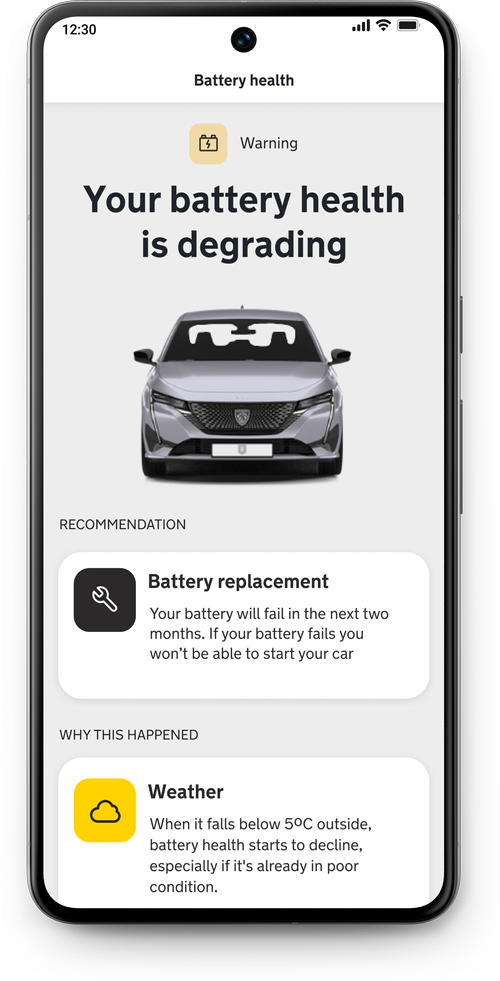
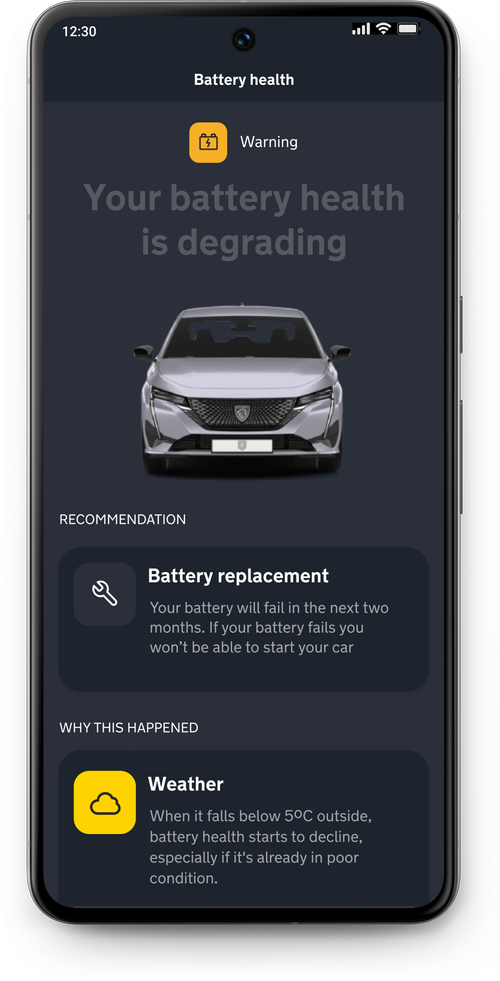
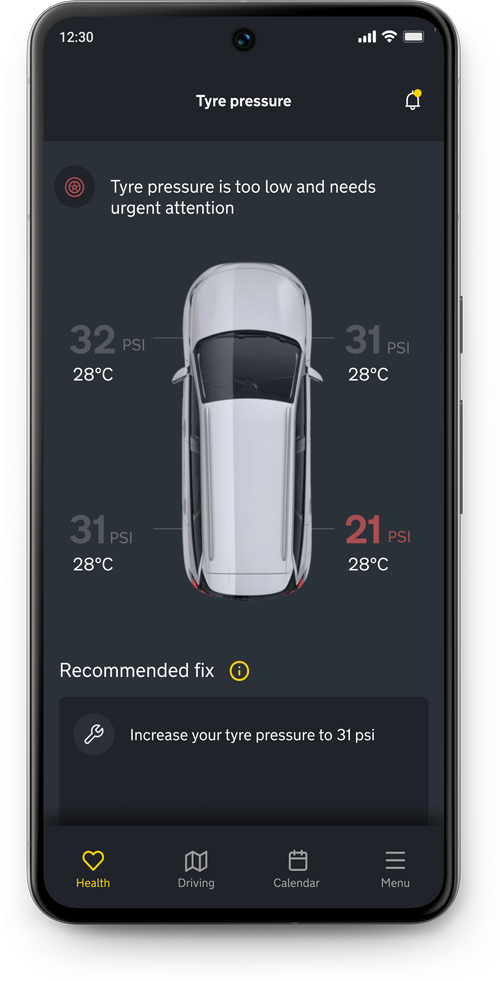
Problems are identified in real time before they become breakdowns
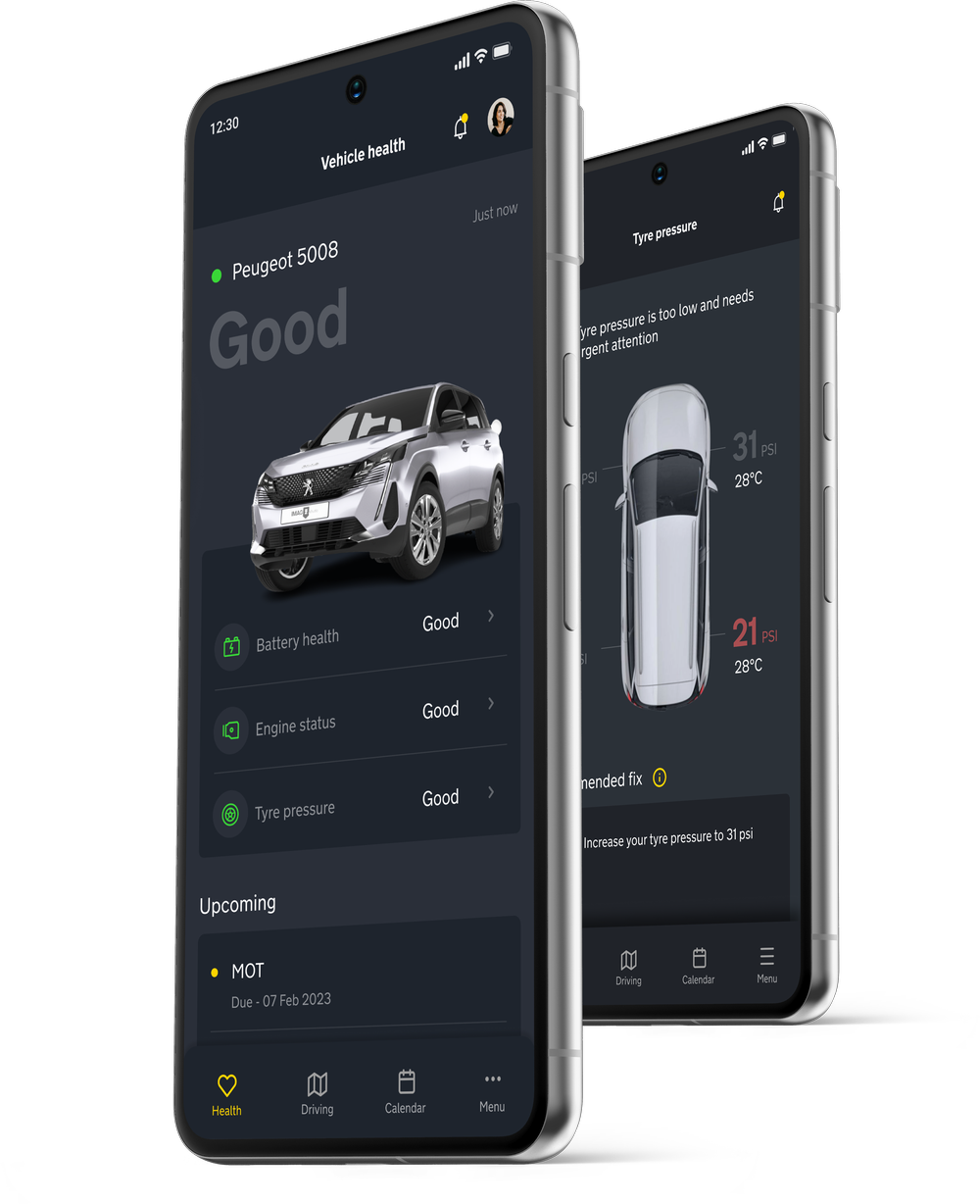
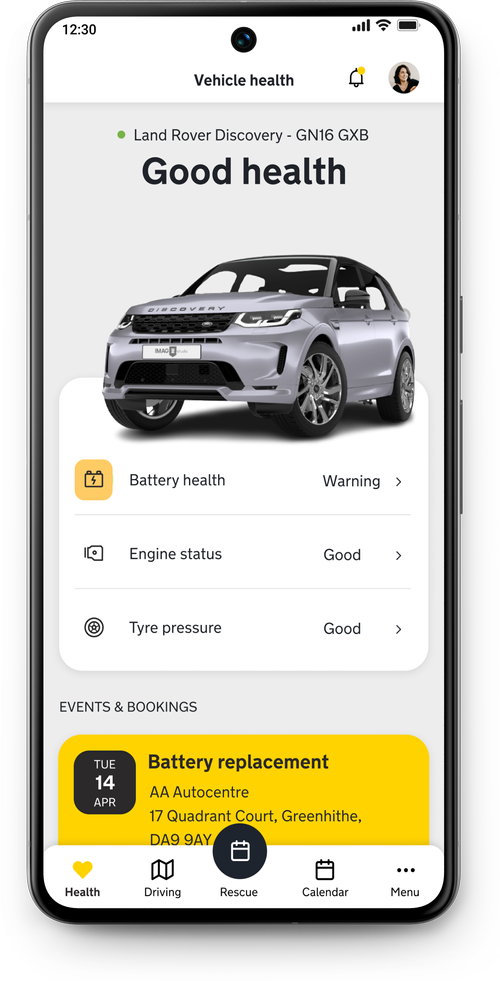
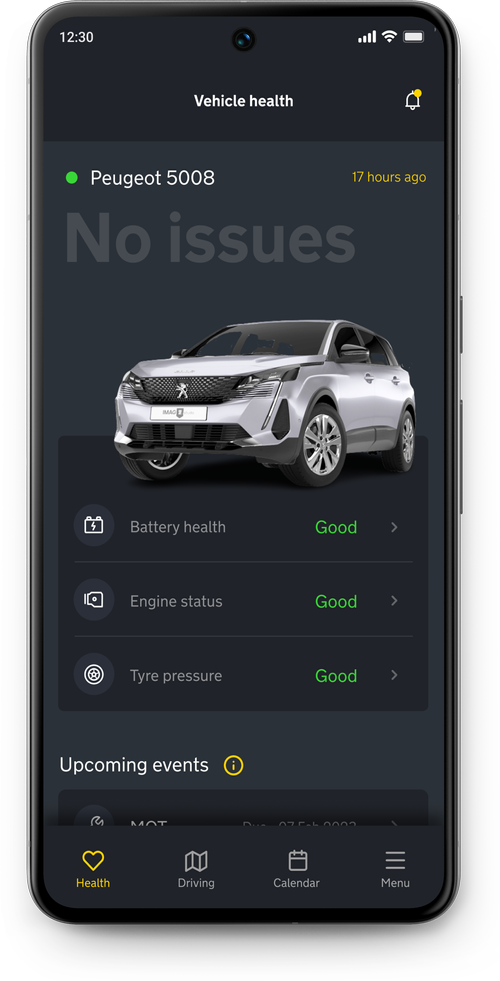
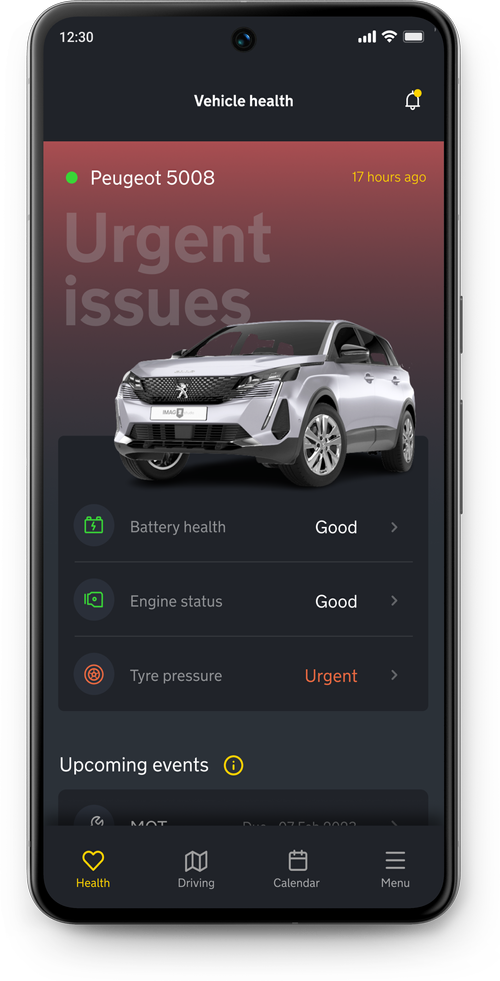
Battery health, engine status and tyre pressure monitored continuously, with a plain explanation of why it happened and what to do next.
Recovery call outs fell 43%.


The AA · Head of UX · 14M+ users
27%
Increase in garage43%
Reduction in recovery18%
Increase in upsell57%
Decrease in customerThe problem
The AA built trust around a simple promise. When something goes wrong, we get you out of trouble.
Customers moved from diagnosing issues, to contacting support, to booking repairs across separate services. Each step worked on its own. What didn't exist was continuity between them.
The result was repeated effort, inconsistent experiences and a growing gap between what we promised and what customers expected. More than half of all customer service calls were people navigating between services that should have talked to each other.
The leadership challenge
Regulation, operational complexity and dependency on evolving systems. Individually, each position made sense. Together, they kept the organisation fragmented.
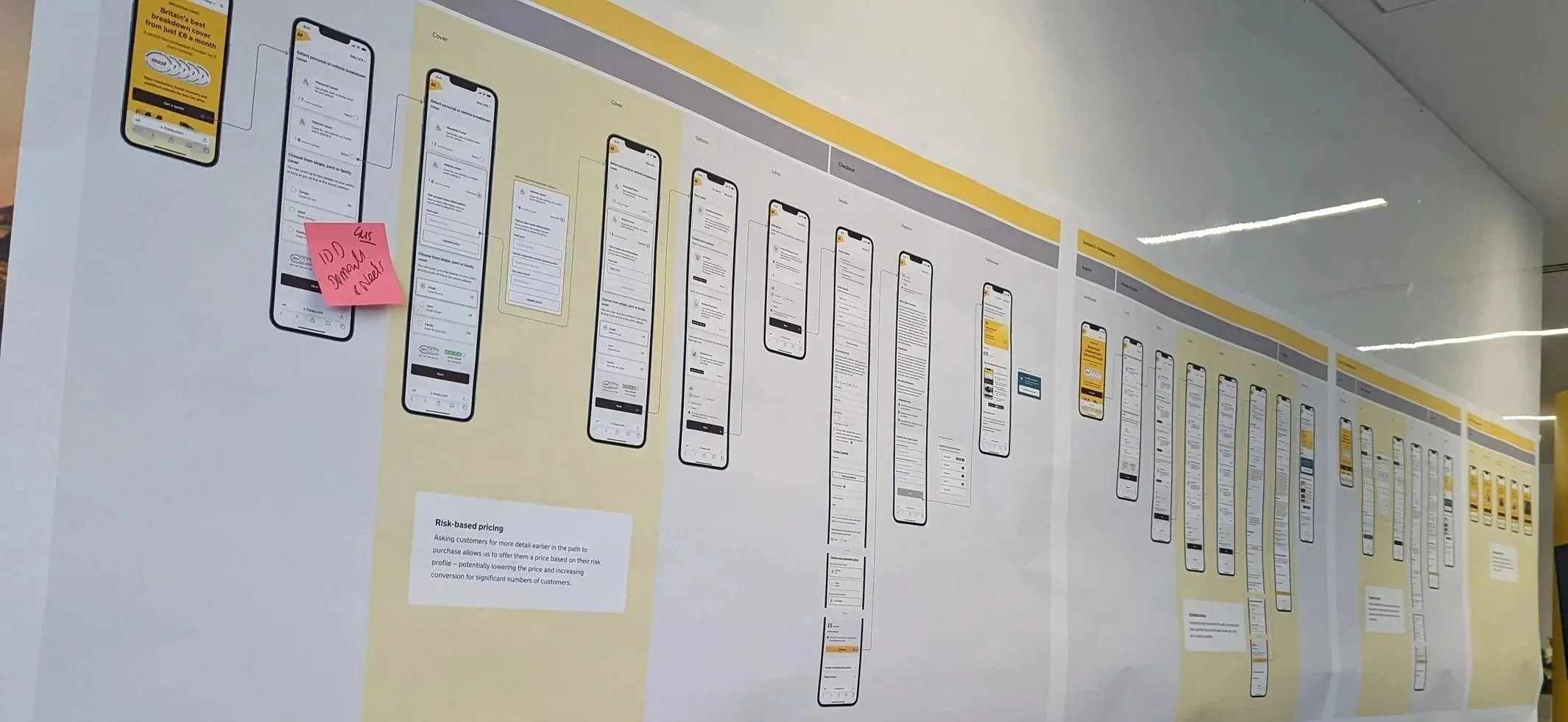
The shift started when stakeholders saw the full journey. Multiple customer calls, multiple apps, sometimes days of waiting and no continuity.
This took weeks of research, working closely with the CEO, CPO and leadership. Not everyone agreed and not everyone was comfortable.
Driving a shared view changed the conversation, unlocked budget and created space for a prioritised platform approach.
The strategic shift
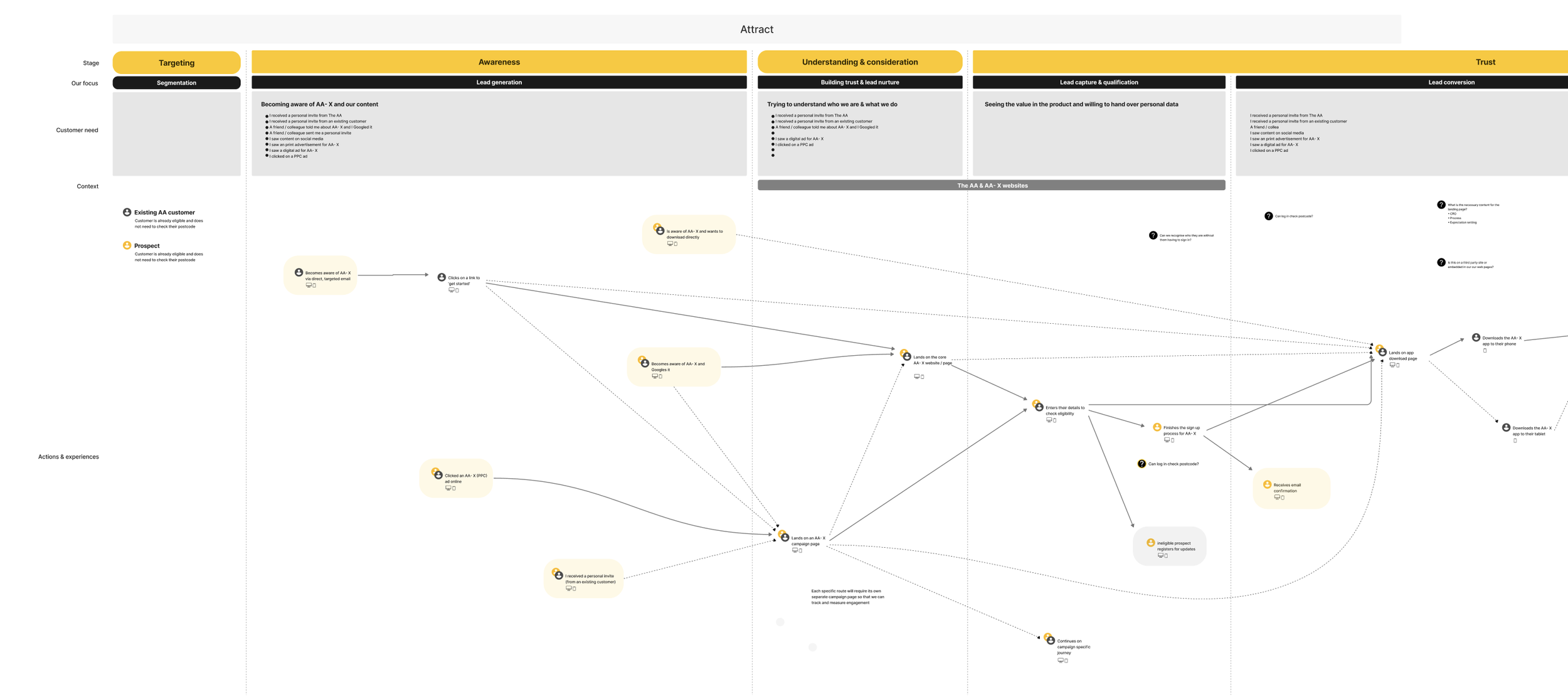
I defined and carried out research to inform decisions. I defined how design operated, mapped the full customer journey, ran cross-functional workshops and built conviction with leadership.
I hired and led 4 designers while designing the unified platform that connected breakdown, insurance, garage and vehicle health for the first time.
What changed for customers
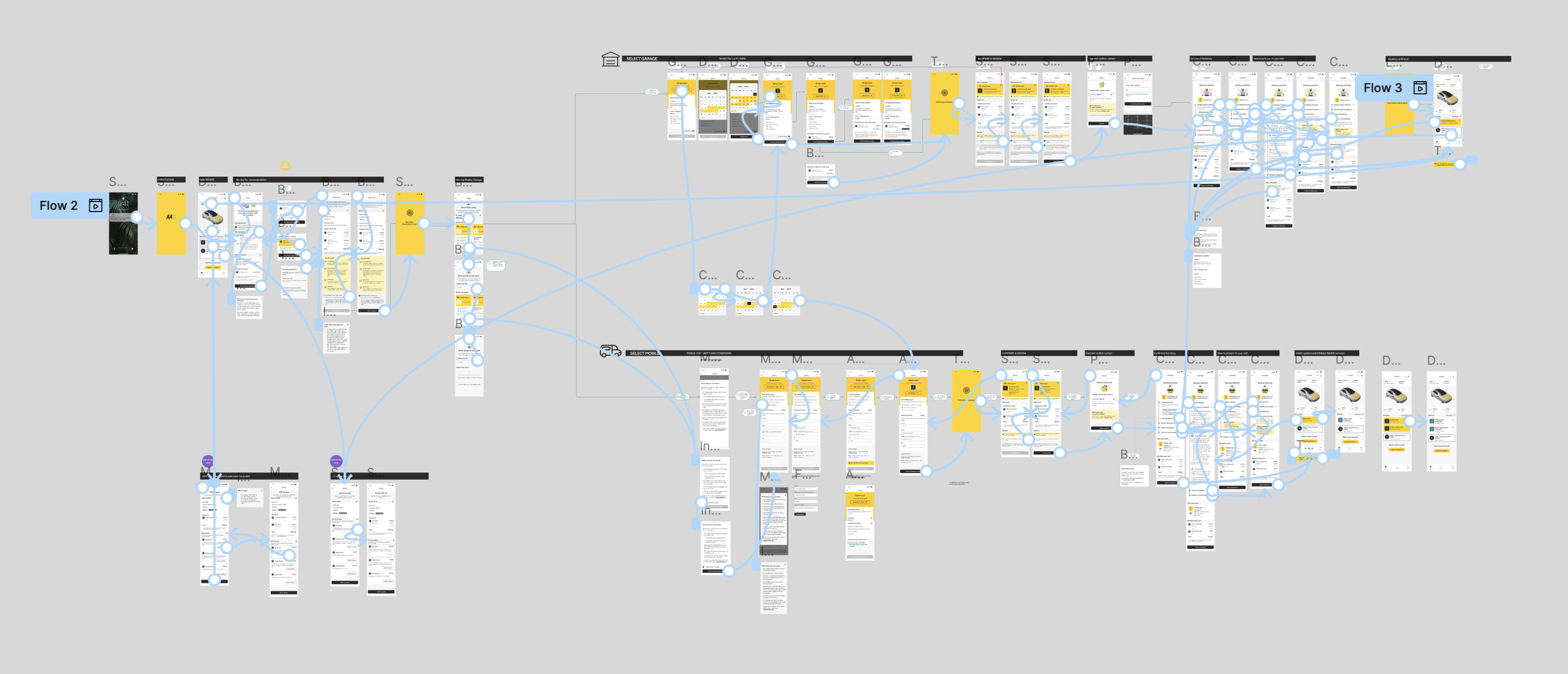
AA-X was designed as an intelligent ownership system rather than a portal linking services.
We designed for the full 15 services, but scoped the first build to the seven that gave the highest immediate value, creating experiences that never existed before.
The biggest gain wasn't faster recovery. It was fewer breakdowns. Surfacing a failing battery three weeks early turns a roadside call out into a booked appointment.
01
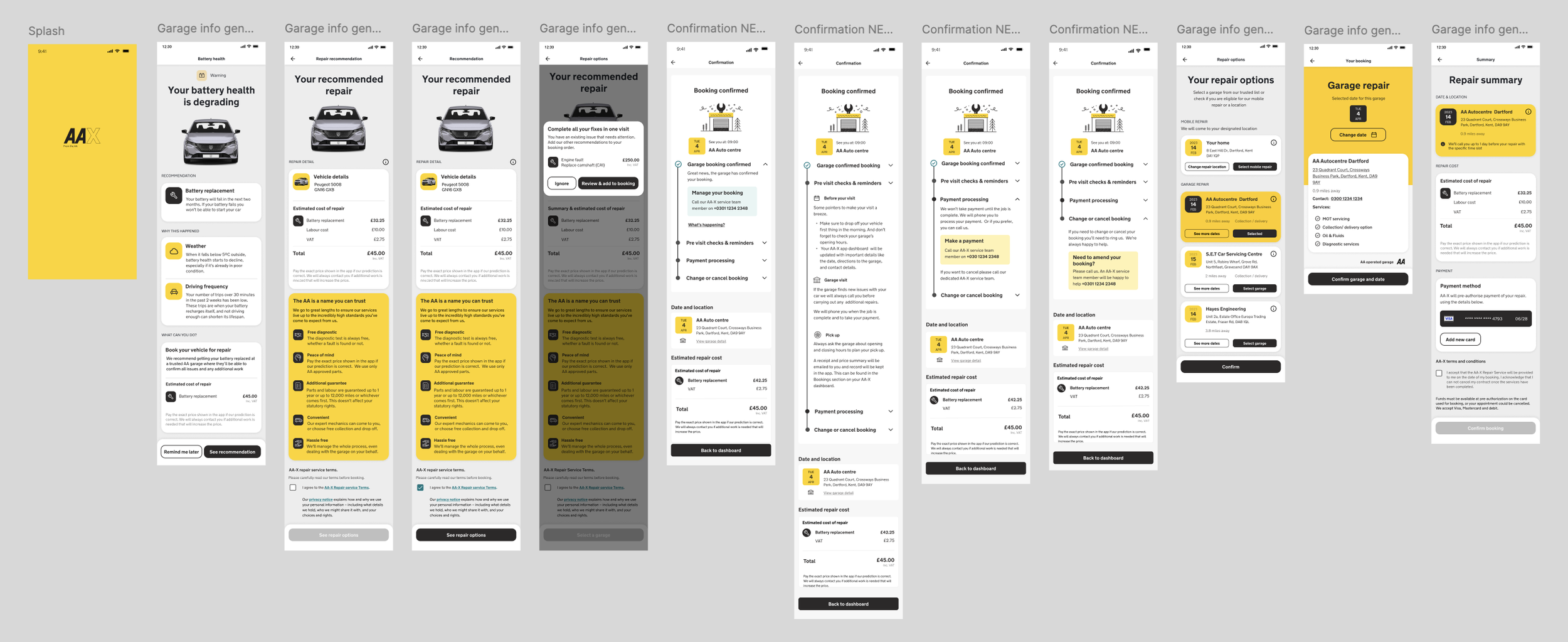
Battery health, engine status and tyre pressure monitored continuously, with a plain explanation of why it happened and what to do next.
Recovery call outs fell 43%.
02
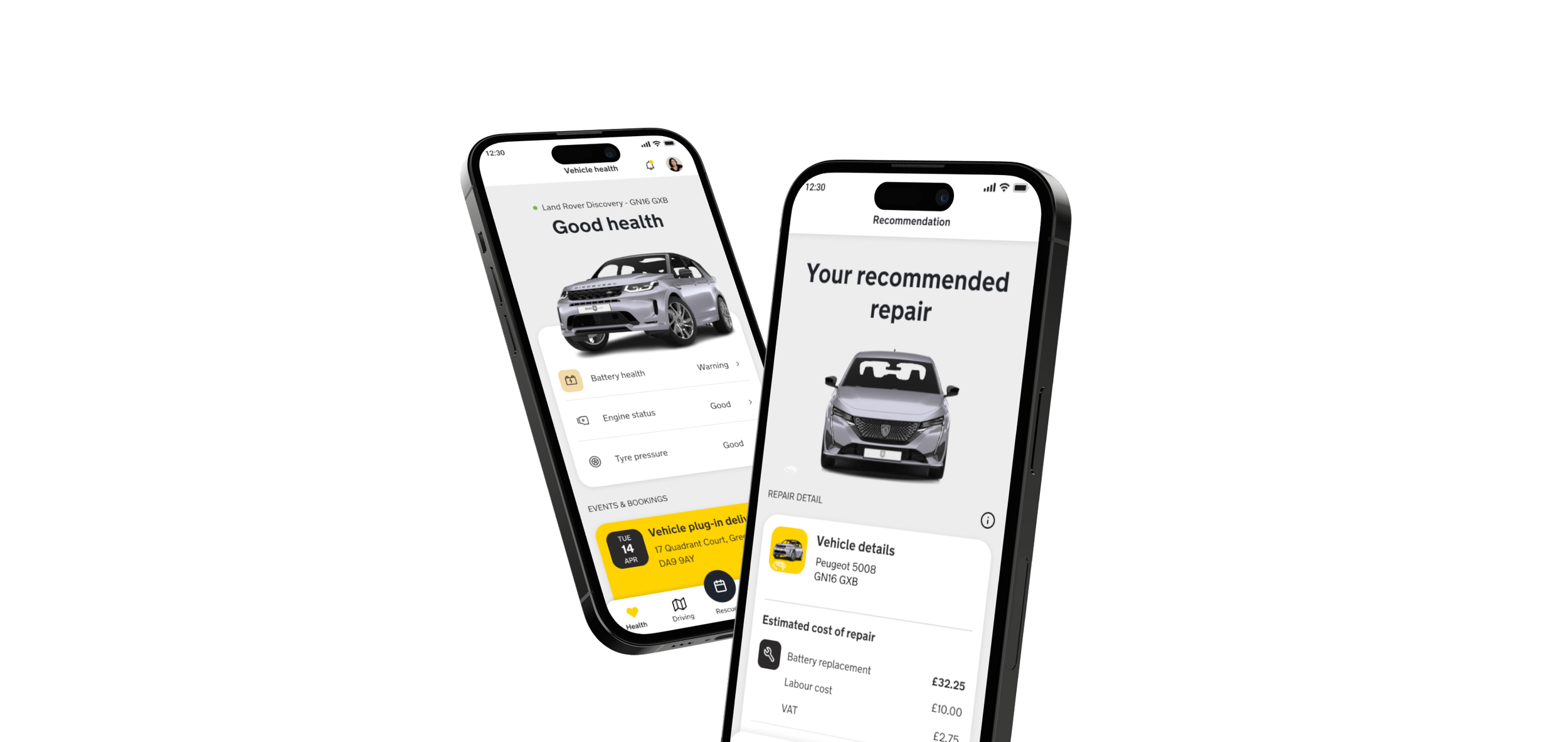
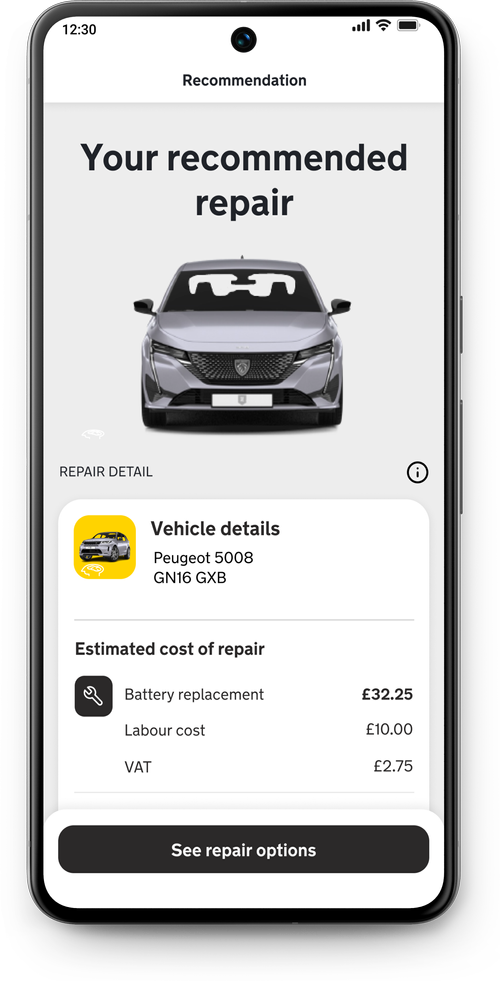
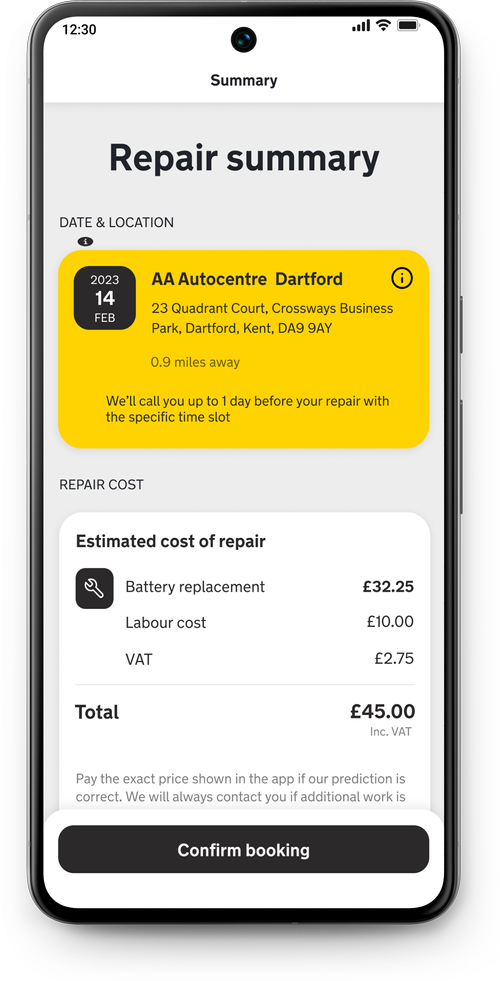
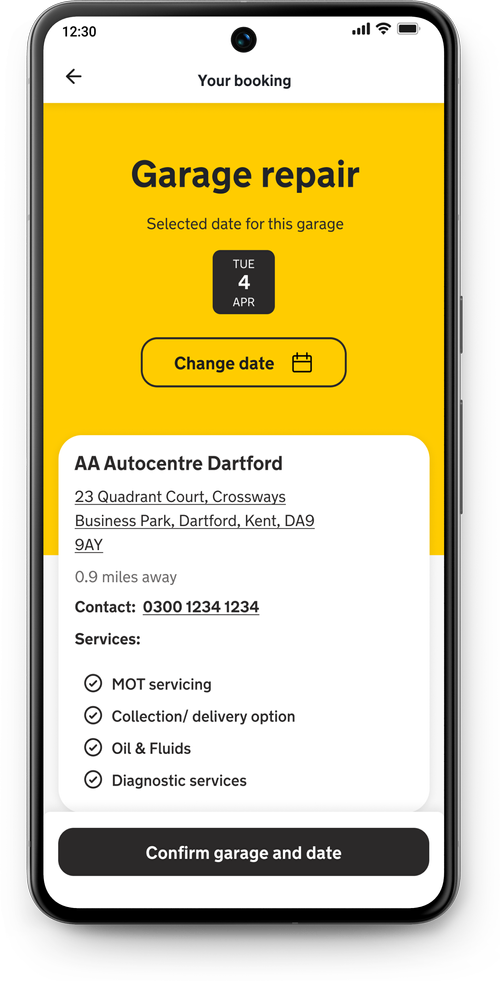
A recommendation, an itemised cost, a garage and a date. One flow, no phone calls.
Garage bookings in the app rose 27%.
03
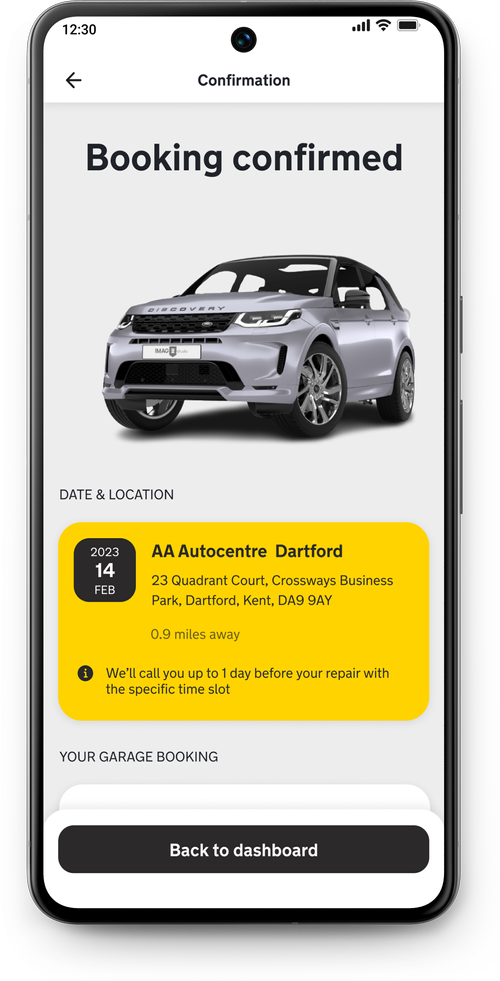
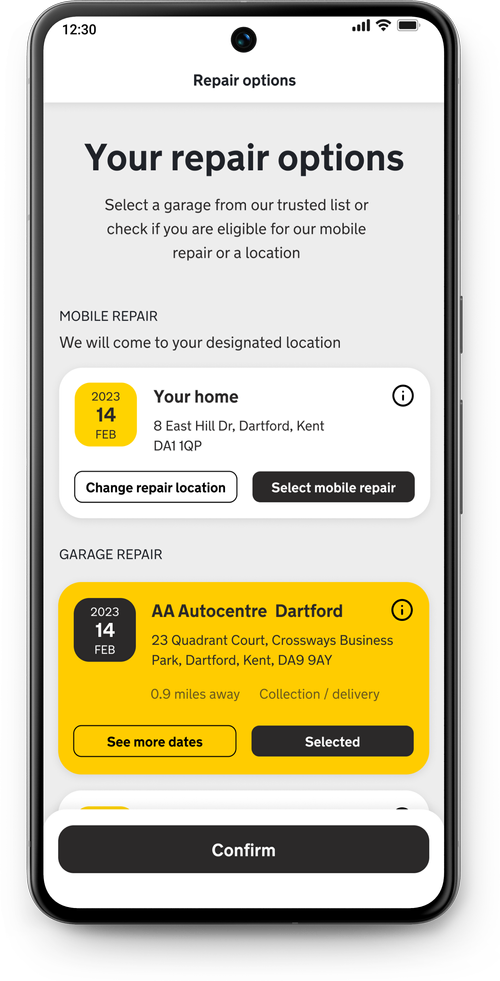
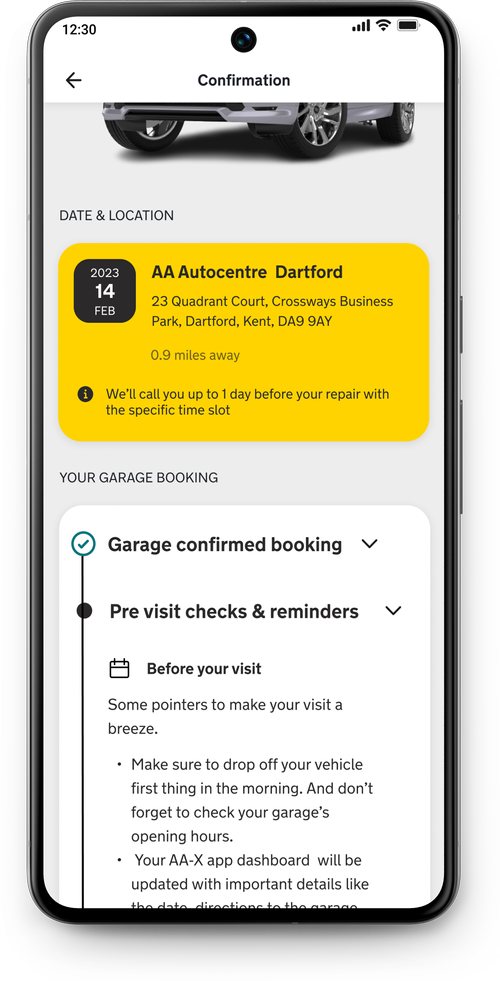
Mobile repair or garage, chosen in the same flow, with the booking, the location and the payment held in one place.
Customer service call volume fell 57%.
04
Status stays visible from no issues through to urgent. The moment something goes wrong is the moment the product gets clearer, not quieter.
Upsell conversion rose 18%.
05
The immediate job was closing the gaps between fifteen fragmented services. Once they lived in one connected platform, the real question became where intelligence should sit inside it, not whether to add it - so we structured usage and behaviour data to lay the groundwork for that layer.
That thinking extended to how the team worked too. Research synthesis leaned on AI throughout, so research from fifteen teams got turned into something usable, not a deck nobody read.
Twelve months, fifteen teams, one platform
15
Disconnected services7
Services unified4
Designers12
Months from no designWhat this taught me
Research did not just inform design, it aligned the organisation.
The challenge wasn't building the product. It was getting fifteen teams to agree to build the same one.
Twelve months from no design function to a unified platform across seven services. The constraint was never the design. It was getting fifteen teams to agree what we were building.